
Unlocking Ancient Healing Secrets: Herbal Remedies for Pigmented Villonodular Synovitis in Ayurvedic Tradition
Pigmented Villonodular Synovitis (PVNS) is a rare, benign condition that affects the synovium, leading to joint pain, swelling, and stiffness. Traditional treatments often involve surgery or medication, but recent research has shed light on the potential benefits of Ayurvedic herbs in managing PVNS symptoms. Ayurveda, an ancient Indian healing system, emphasizes holistic well-being and personalized treatment plans based on an individual’s constitution. By exploring nature’s pharmacy and traditional wisdom, individuals with PVNS may find natural relief and support for their overall health.
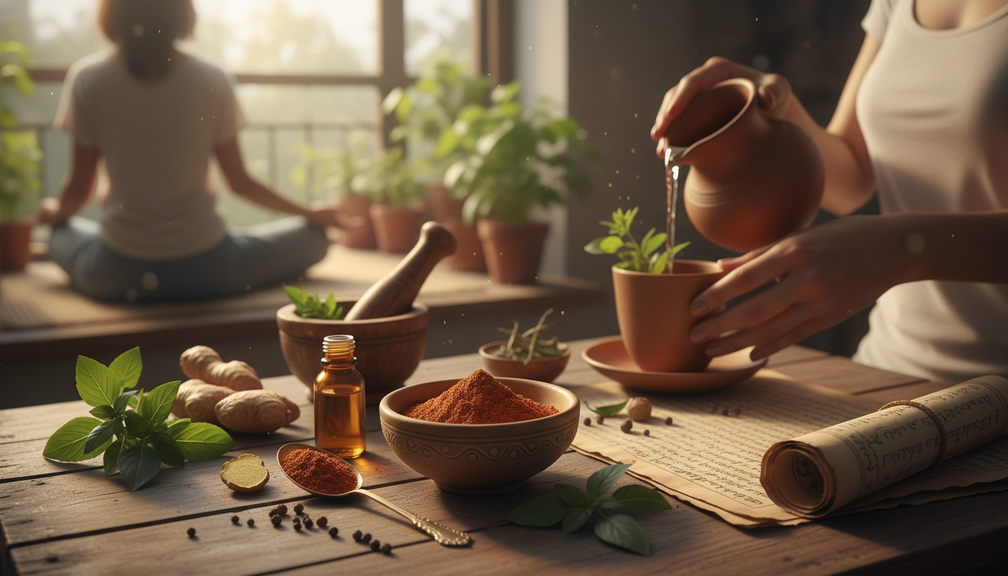
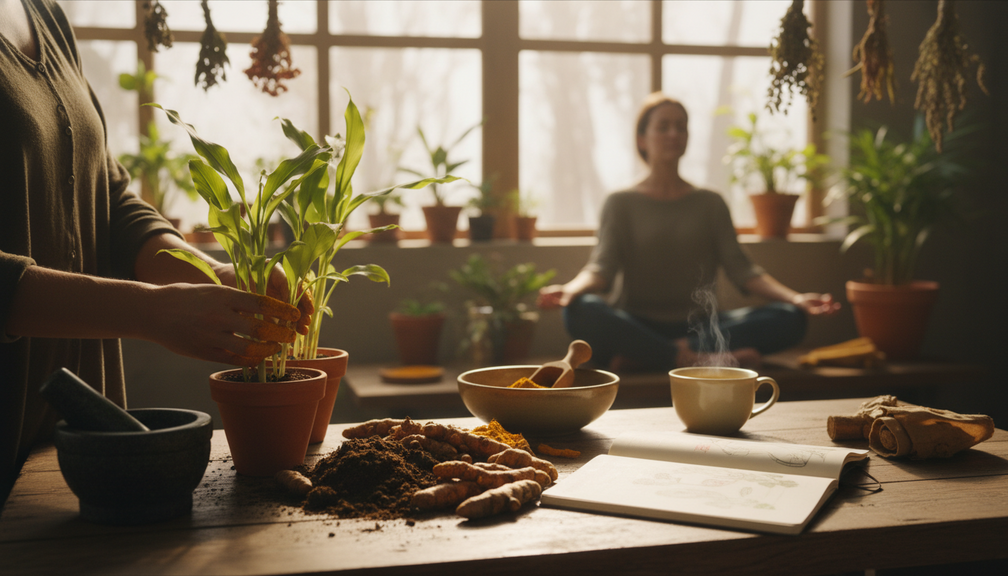
Ayurvedic herbs like turmeric, ginger, and boswellia have anti-inflammatory properties that can help reduce joint inflammation and pain associated with PVNS. Turmeric, in particular, contains curcumin, a powerful compound known for its antioxidant and anti-inflammatory effects. Incorporating these herbs into daily meals or as supplements may complement existing treatment strategies and promote overall joint health.
In Ayurveda, each person is believed to have a unique constitution, or dosha, which influences their physical and mental characteristics. By understanding one’s dosha, individuals with PVNS can tailor their diet, lifestyle, and herbal remedies to support their specific needs. Ayurvedic practitioners can provide personalized recommendations based on an individual’s dosha, creating a holistic approach to managing PVNS symptoms and promoting overall well-being.
While modern medicine offers effective treatments for PVNS, exploring Ayurvedic herbal remedies can provide individuals with additional tools to manage their condition and improve their quality of life. By combining traditional wisdom with evidence-based practices, individuals with PVNS can take a proactive approach to their health and well-being. Consulting with both allopathic and Ayurvedic healthcare providers can help individuals create a comprehensive treatment plan that addresses their unique needs and preferences.
The integration of Ayurvedic herbs and practices into the management of PVNS highlights the importance of personalized and holistic approaches to health and wellness. By tapping into nature’s healing resources and ancient wisdom, individuals with PVNS can empower themselves to take control of their health and well-being. Ayurvedic principles, such as balance, moderation, and individualized care, can serve as guiding principles for those seeking natural solutions to manage their PVNS symptoms and support their overall health.
In conclusion, exploring the benefits of Ayurvedic herbs for managing PVNS offers individuals a complementary approach to traditional treatments. By incorporating these herbal remedies into their daily routines and working with healthcare providers to develop a personalized treatment plan, individuals with PVNS can enhance their quality of life and promote their overall well-being. Embracing the wisdom of Ayurveda and nature’s healing gifts can empower individuals to take charge of their health journey and experience the profound benefits of holistic wellness.