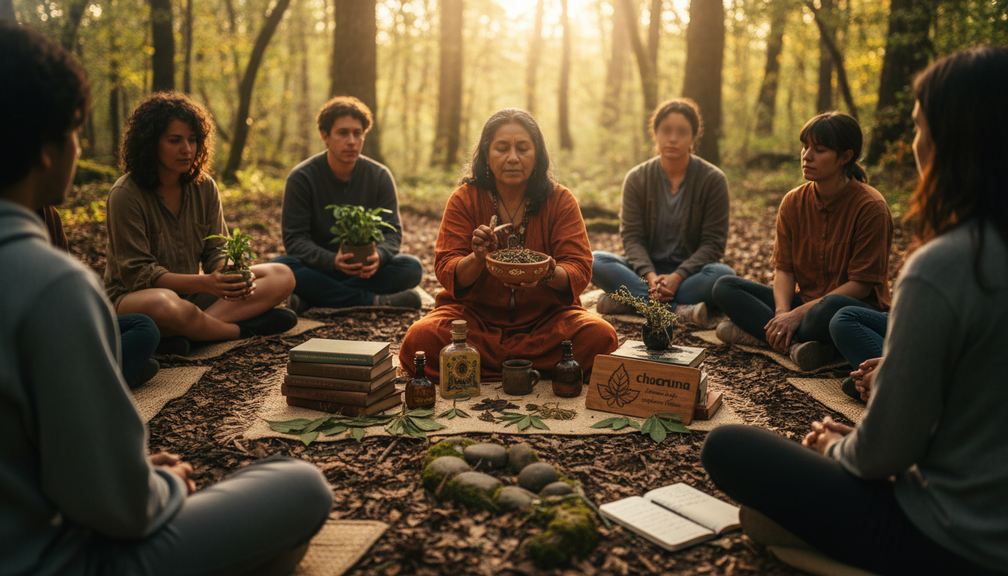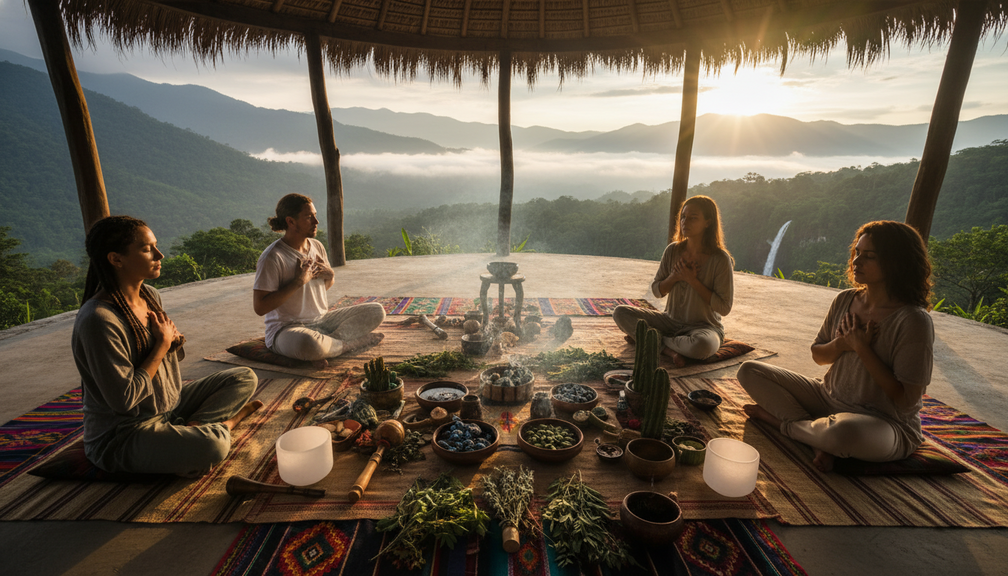

In a groundbreaking collaboration between Chacruna Institute and Ligare: A Christian Psychedelic Society, religious leaders are being equipped with the knowledge and understanding of psychedelics through the ‘Psychedelics 101’ course. This comprehensive program delves into the spiritual, psychological, and ethical dimensions of plant medicine, offering clergy a unique opportunity to engage in informed and compassionate dialogue on this controversial topic. The course emphasizes ethics, Indigenous reciprocity, and responsible guidance, preparing religious leaders to navigate the complexities of plant medicine for healing and transformation.
This initiative is not just a modern trend; it taps into ancient healing practices that date back to shamanic rituals and the use of medicinal plants in spiritual contexts. The Vedas, the oldest sacred texts of Hinduism, reference healing rituals and plant medicines as tools for promoting physical and spiritual well-being. By bridging the gap between traditional healing practices and modern scientific understanding, the ‘Psychedelics 101’ course offers a holistic approach to wellness that integrates spiritual values with evidence-based knowledge.
The course also explores the evolving spiritual values of forests in Europe and Asia, highlighting the interconnectedness between nature, spirituality, and healing. By broadening the scope of spiritual significance through a religious lens, participants gain a deeper appreciation for the sacredness of the natural world and its role in promoting overall well-being. This shift in perspective encourages a more mindful and sustainable relationship with the environment, fostering a sense of interconnectedness and harmony.
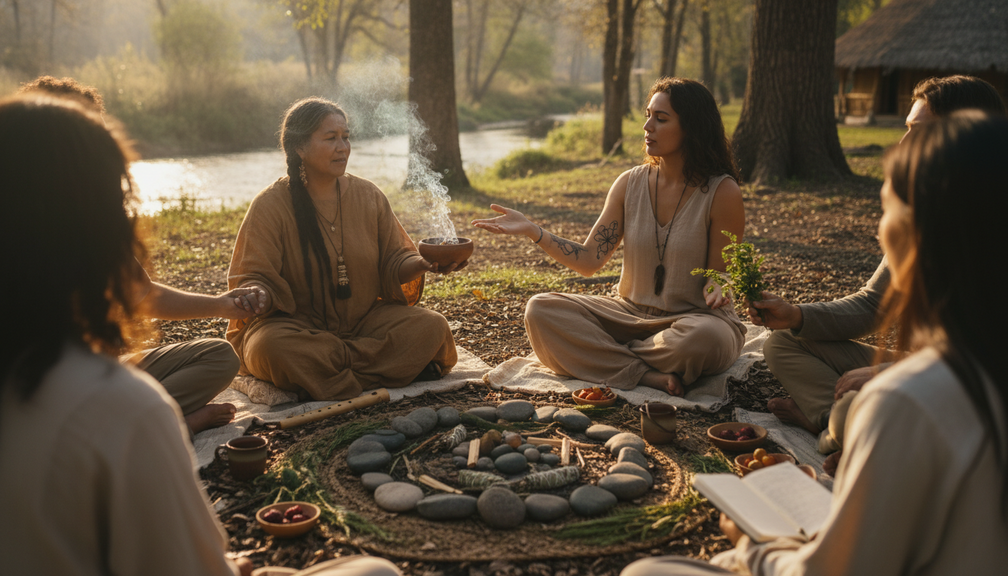
Through cross-cultural encounters and Indigenous knowledge of plant medicine, participants in the course gain insights into the therapeutic, spiritual, and ethical dimensions of psychedelics. By understanding how shamans use trance, music, and plant medicine to heal, religious leaders can draw parallels between ancient healing practices and modern approaches to wellness. This integration of sacred and ceremonial plants with faith-based values offers a unique opportunity for clergy to expand their understanding of healing modalities.
The ‘Psychedelics 101’ course not only provides religious leaders with the tools to engage in respectful dialogue on plant medicine but also empowers them to guide their communities towards a more inclusive and compassionate approach to wellness. By emphasizing ethics, Indigenous reciprocity, and responsible guidance, the program equips clergy with the knowledge and skills to navigate the complexities of psychedelics in a responsible and informed manner. This initiative goes beyond personal healing; it seeks to transform communities by fostering a deeper understanding of plant medicine and its potential for healing and transformation.
As the conversation around psychedelics continues to evolve, the ‘Psychedelics 101’ course offers a timely and relevant opportunity for religious leaders to engage in meaningful dialogue on this important topic. By exploring the spiritual, psychological, and ethical dimensions of plant medicine, participants in the course gain a deeper appreciation for the healing potential of psychedelics and their role in promoting holistic well-being. This initiative not only bridges the gap between ancient healing practices and modern science but also empowers religious leaders to guide their communities towards a more inclusive and compassionate approach to wellness.