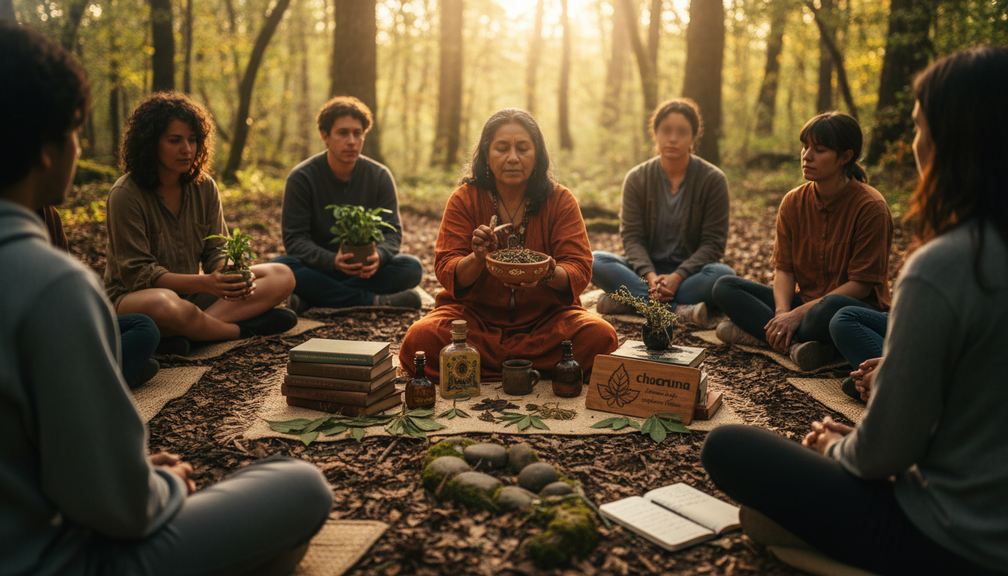
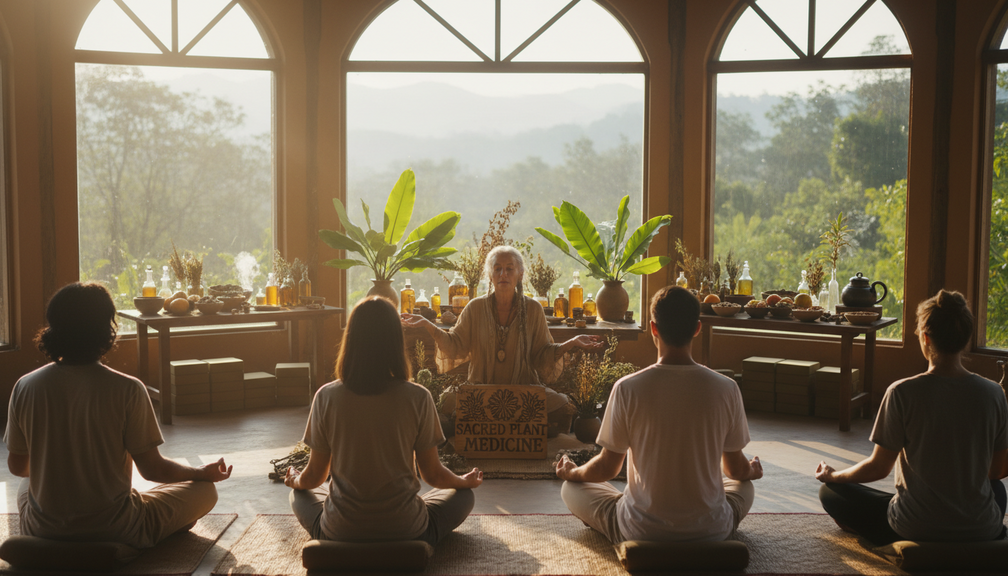
In a groundbreaking collaboration between the Chacruna Institute and Ligare: A Christian Psychedelic Society, a new course titled “Psychedelics 101” has been launched to provide religious leaders with a comprehensive understanding of the spiritual, psychological, and scientific aspects of psychedelics. This educational initiative aims to foster ethical practices, Indigenous reciprocity, and responsible guidance within faith communities, promoting informed, inclusive, and compassionate dialogue. By exploring the potential of sacred plant medicine for deep healing and personal transformation, this course offers a unique opportunity for religious leaders to engage in conscious exploration while upholding their spiritual values and beliefs.
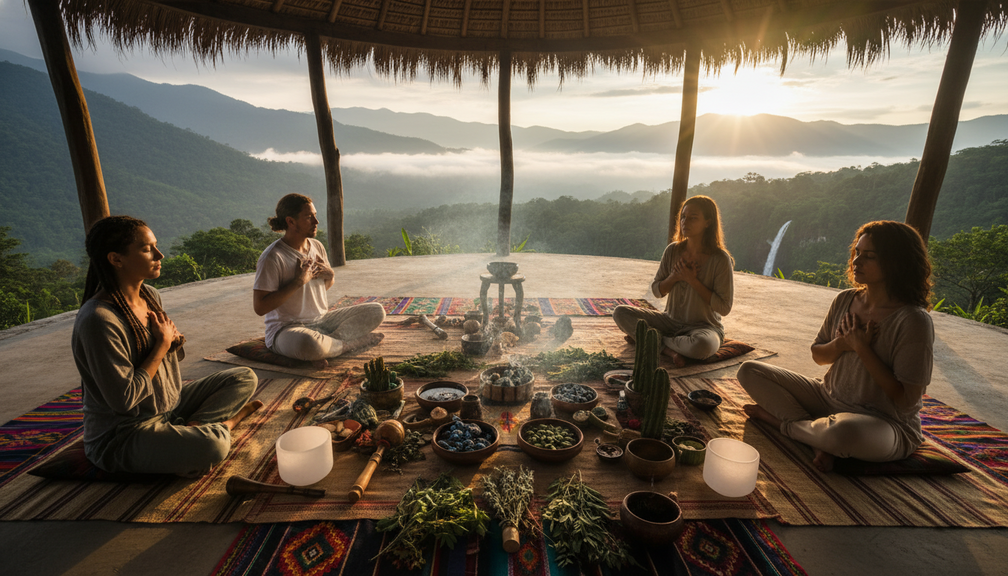
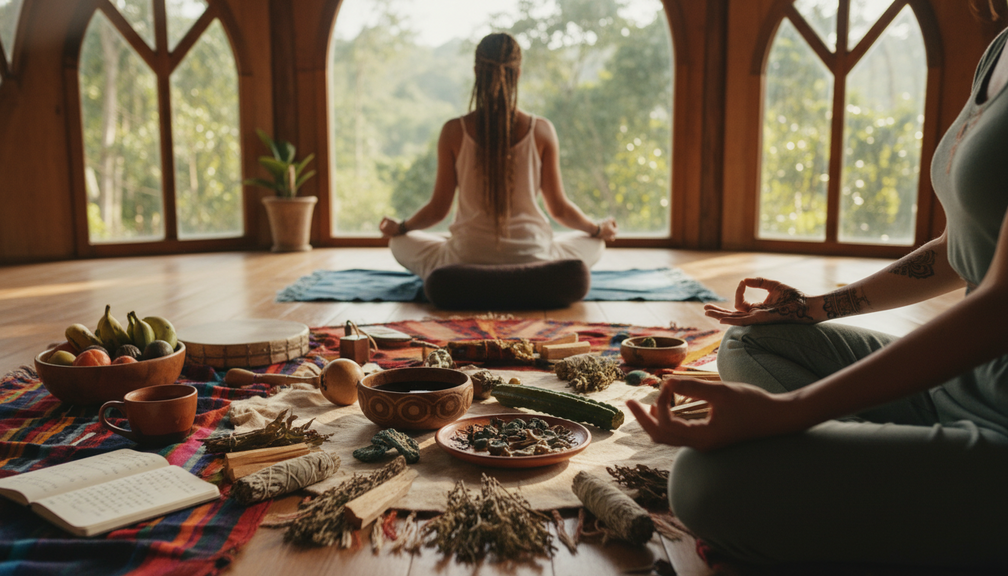
The course draws on a rich history of ancient healing practices that have utilized medicinal plants and spiritual rituals for centuries. From the Vedas of Hinduism to the shamanic traditions of Indigenous cultures, the use of sacred plant medicine has been deeply intertwined with spiritual healing and personal growth. By acknowledging the cultural and religious significance of these practices, religious leaders can gain a deeper appreciation for the therapeutic potential of psychedelics and their role in fostering spiritual connection and well-being.
One of the key focuses of the “Psychedelics 101” course is the importance of ethics and responsible guidance when working with sacred plant medicine. By emphasizing the need for informed and compassionate leadership within faith communities, religious leaders can create safe and supportive spaces for individuals seeking healing and transformation. This ethical framework not only ensures the well-being of those participating in psychedelic experiences but also fosters a sense of trust and openness within religious communities, allowing for meaningful dialogue and exploration.
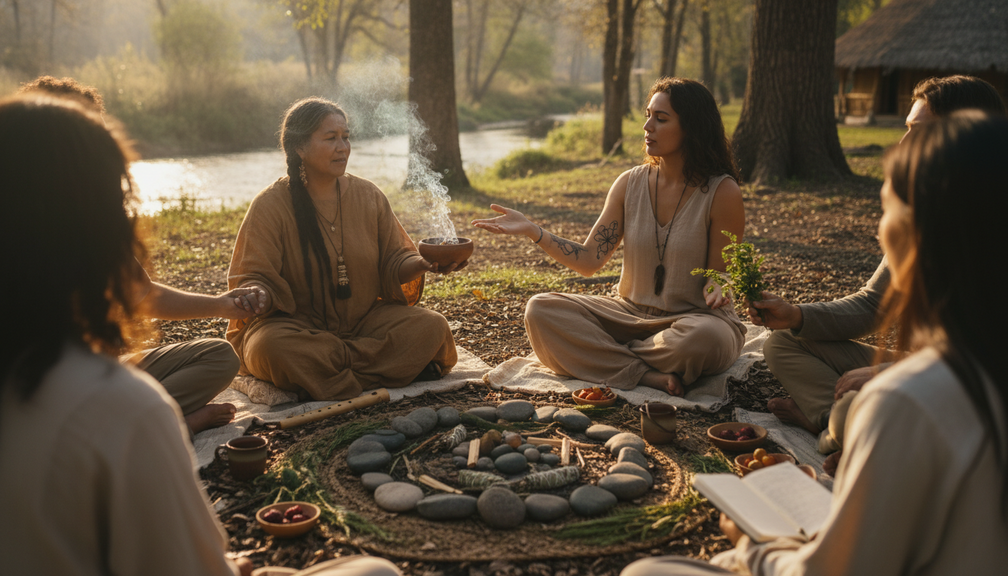
Furthermore, the course highlights the concept of Indigenous reciprocity, emphasizing the importance of honoring and respecting the traditions and knowledge of Indigenous cultures that have long used psychedelics for spiritual and healing purposes. By promoting a deeper understanding of the cultural context and history of sacred plant medicine, religious leaders can cultivate a sense of reverence and gratitude for the wisdom of these traditions, fostering a more inclusive and respectful approach to psychedelic exploration.
As the field of psychedelic research continues to expand, with growing interest in the therapeutic potential of substances like ayahuasca and psilocybin, the “Psychedelics 101” course provides religious leaders with a unique opportunity to engage with this evolving landscape. By staying informed about the latest scientific findings and trends in psychedelic therapy, religious leaders can offer valuable insights and guidance to their communities, promoting a holistic approach to health and well-being that integrates spiritual and psychological dimensions.
Ultimately, the “Psychedelics 101” course offers religious leaders a transformative journey of self-discovery and healing, allowing them to explore the profound potential of sacred plant medicine while upholding their spiritual values and beliefs. By embracing ethics, Indigenous reciprocity, and responsible guidance, religious leaders can play a vital role in facilitating meaningful and transformative experiences for individuals seeking healing and personal growth within their faith communities.