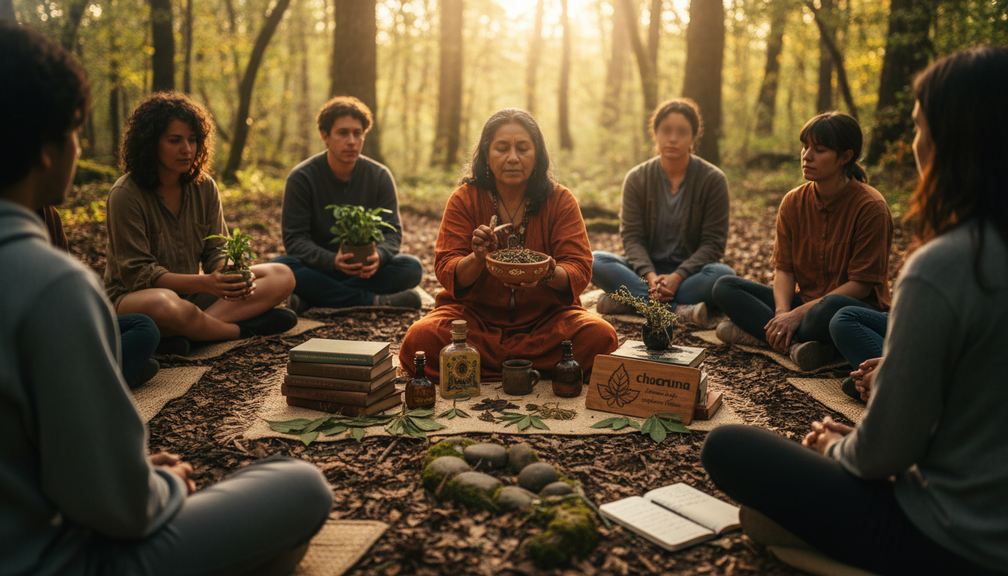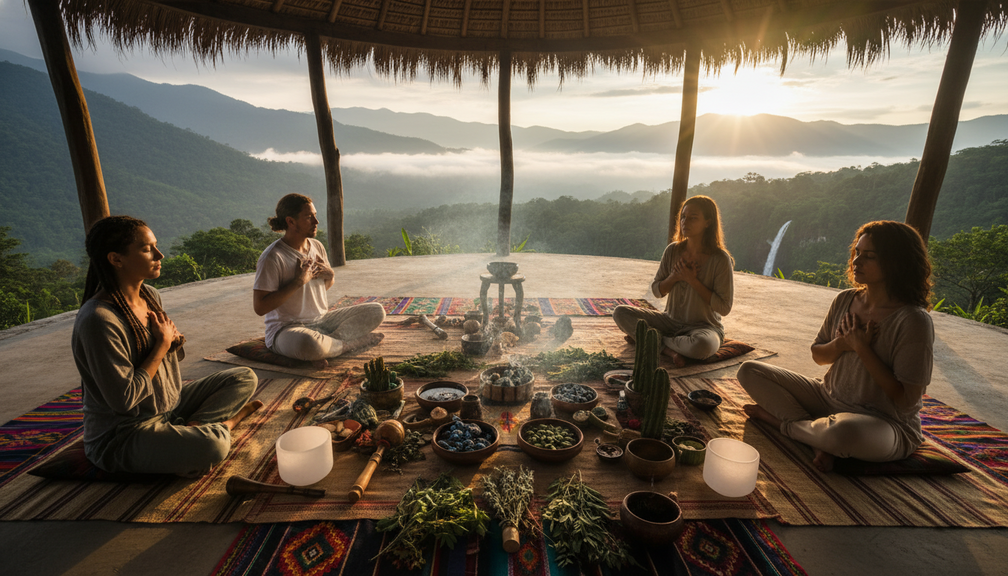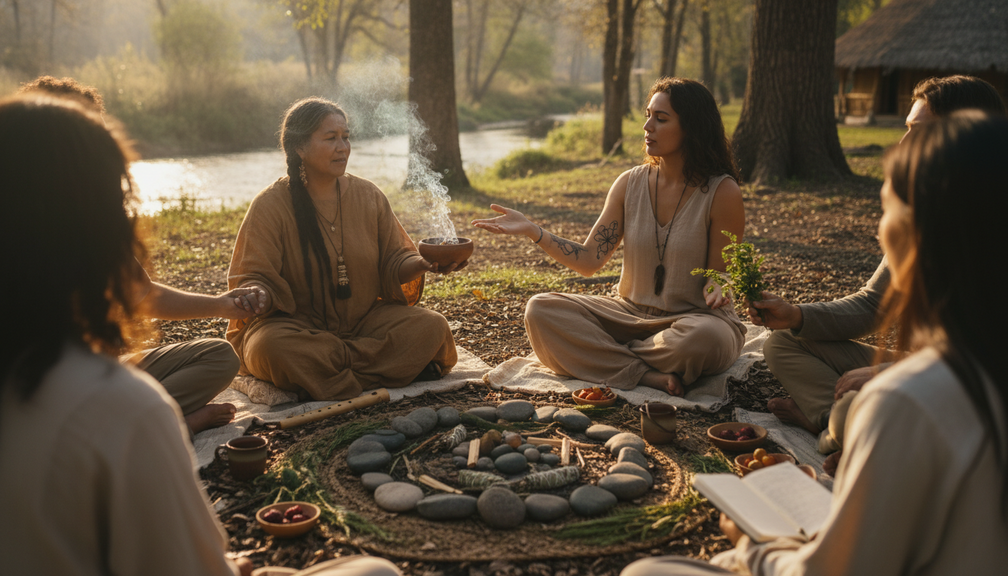

As the landscape of wellness continues to evolve, a groundbreaking initiative by the Chacruna Institute and Ligare: A Christian Psychedelic Society is set to transform the dialogue around psychedelics within religious communities. The launch of a thirteen-week educational course for religious leaders marks a pivotal moment in bridging the gap between spirituality, psychology, and science in exploring the potential benefits of psychedelics. This program not only focuses on the ethical considerations of psychedelic facilitation but also highlights the importance of Indigenous reciprocity and responsible guidance in fostering informed and compassionate discussions within faith communities.
The intersection of psychedelics and spirituality has been a topic of growing interest in recent years, with research highlighting the therapeutic potential of these substances for mental health and personal growth. By offering a structured educational platform for religious leaders, the Chacruna Institute and Ligare aim to provide a comprehensive understanding of the spiritual, psychological, and scientific aspects of psychedelics. Through this course, clergy members can gain valuable insights into the potential role of psychedelics in promoting healing, introspection, and spiritual growth within their communities.
One of the key pillars of this program is the emphasis on ethics and justice in psychedelic facilitation. By incorporating principles of ethical conduct and Indigenous reciprocity, religious leaders can navigate the complexities of psychedelic experiences with sensitivity and compassion. This approach not only ensures the safety and well-being of individuals exploring psychedelics but also promotes a culture of respect and inclusivity within religious settings.
The course also delves into the historical and cultural significance of psychedelics, highlighting their traditional use in Indigenous ceremonies and spiritual practices. By acknowledging the roots of psychedelic medicine and engaging with Indigenous perspectives, religious leaders can foster a deeper appreciation for the sacred nature of these substances. This cultural awareness is essential in promoting a holistic understanding of psychedelics and their potential benefits within the context of religious traditions.
Moreover, the program offers practical guidance on how to integrate psychedelic experiences into a religious framework, emphasizing the importance of responsible guidance and community support. By equipping religious leaders with the knowledge and tools to facilitate informed discussions and provide support for individuals exploring psychedelics, the course aims to create a more open and inclusive dialogue around these substances within faith communities. This approach not only promotes harm reduction and risk mitigation but also encourages a compassionate and understanding approach to psychedelic exploration.
In conclusion, the launch of the Psychedelics 101 course for religious leaders by the Chacruna Institute and Ligare: A Christian Psychedelic Society represents a significant step towards fostering informed, inclusive, and compassionate dialogue around psychedelics within religious communities. By emphasizing ethics, Indigenous reciprocity, and responsible guidance, this program empowers clergy members to navigate the complexities of psychedelic experiences with sensitivity and compassion. As the conversation around psychedelics continues to evolve, initiatives like this course play a crucial role in promoting a holistic understanding of these substances and their potential benefits for mental health and spiritual growth.