Navigating the Ayahuasca Landscape: Honoring Indigenous Wisdom Amid Legal Disputes
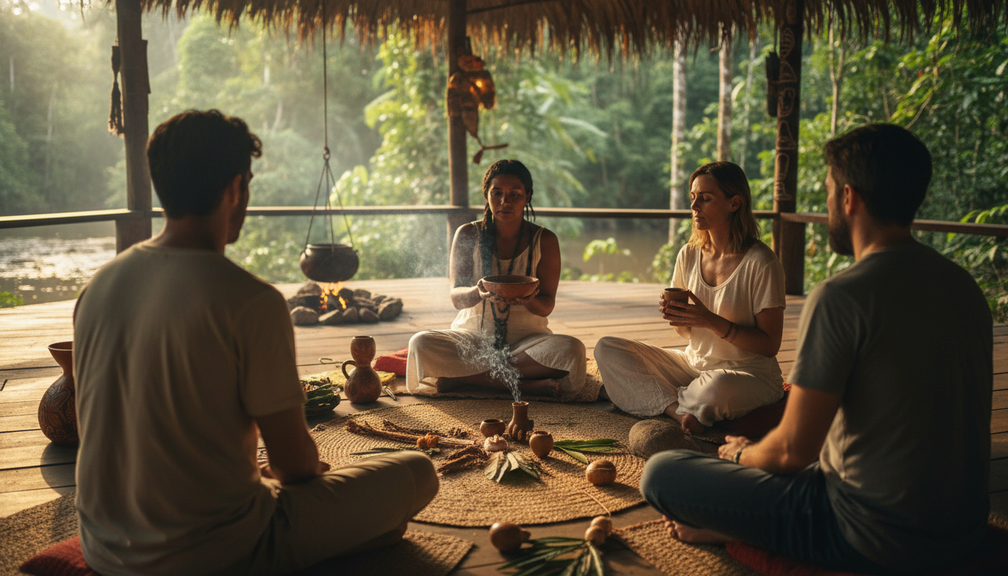
In the heart of Brazil’s lush rainforests, a centuries-old tradition of healing and spiritual exploration has come under scrutiny in recent years. Ayahuasca, a sacred plant medicine used by indigenous tribes for generations, has gained international popularity for its potential therapeutic benefits. However, the rise of ayahuasca tourism and the commodification of this sacred practice have sparked debates around cultural appropriation and legal disputes. As we delve into the complexities of this issue, it becomes clear that the balance between honoring indigenous wisdom and navigating legal frameworks is crucial for the well-being of both individuals and communities.
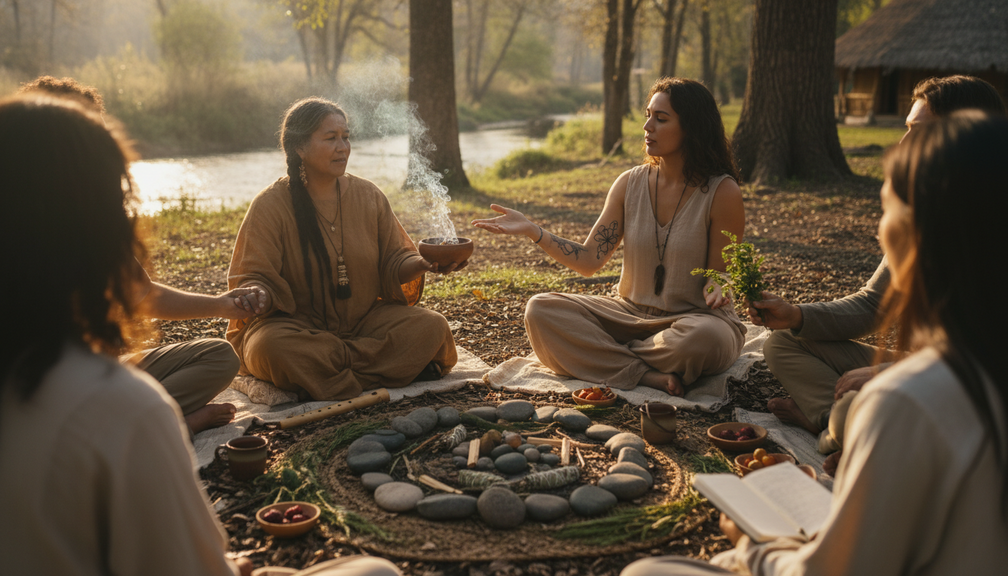
The evolution of ancient healing practices has brought to light the ethical concerns surrounding cultural appropriation and the commercialization of indigenous knowledge. As ayahuasca gains mainstream attention for its healing properties, it is essential to recognize and respect the sacred traditions from which it originates. By understanding the cultural significance of ayahuasca and the indigenous communities that have safeguarded its use for centuries, we can approach this ancient practice with reverence and authenticity.
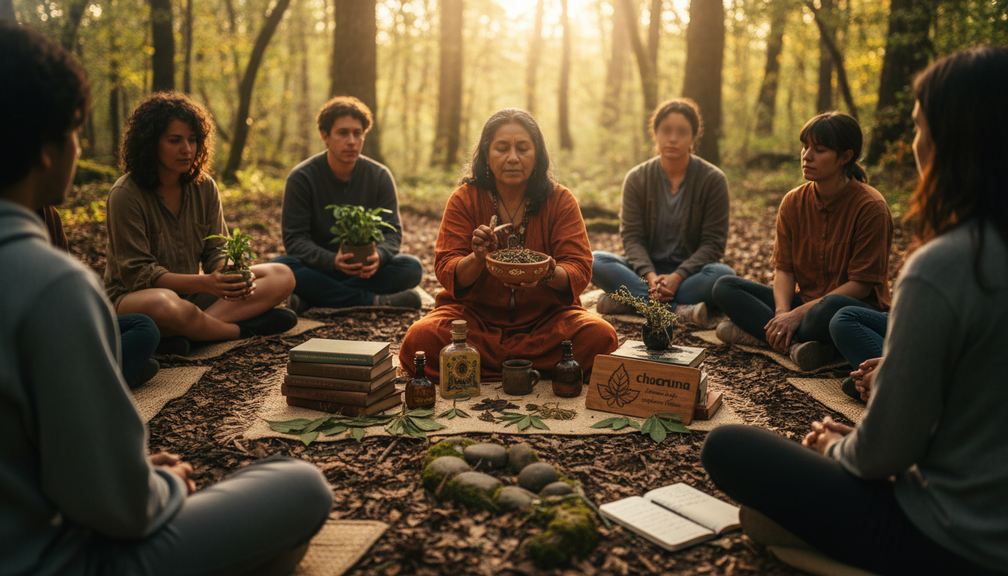
Indigenous knowledge and ancestral places offer us a window into the rich tapestry of traditions that shape our understanding of healing and transformation. By exploring the legal and cultural systems of indigenous peoples, we can learn valuable lessons about sustainability, interconnectedness, and respect for the natural world. Integrating indigenous epistemologies into our wellness practices can deepen our connection to the earth and foster a sense of harmony and balance in our lives.
Ayahuasca tourism in the Amazon has brought the ancient practice of plant medicine to the global stage, sparking conversations about the deep indigenous wisdom embedded in this sacred ritual. While the growing popularity of ayahuasca reflects a broader interest in alternative healing modalities, it also underscores the need to approach these practices with cultural sensitivity and respect. By engaging with indigenous communities and supporting their rights to protect and preserve their ancestral knowledge, we can ensure the sustainability and authenticity of traditional healing practices.
The evolution of international environmental law amidst political challenges highlights the interconnectedness of legal frameworks and indigenous beliefs in the protection of sacred lands and resources. Water, a sacred and essential element in indigenous cosmologies, serves as a reminder of the delicate balance between human activities and the natural world. By advocating for the rights of indigenous peoples to safeguard their ancestral territories, we can contribute to the preservation of cultural heritage and environmental conservation.
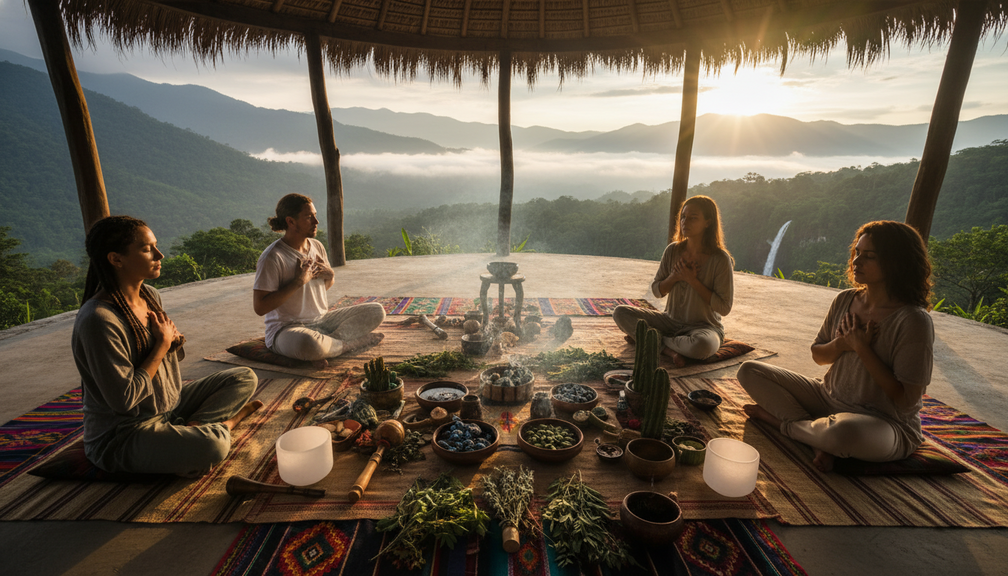
In conclusion, navigating the ayahuasca landscape requires us to honor indigenous wisdom, respect cultural traditions, and uphold the rights of indigenous communities. By integrating indigenous epistemologies into our wellness practices, we can deepen our connection to the earth, foster a sense of harmony and balance, and contribute to the preservation of cultural heritage and environmental conservation. Let us approach the healing power of ayahuasca with humility, gratitude, and a commitment to honoring the sacred traditions that have sustained indigenous communities for generations.
Alright, let’s check out pak555, haven’t seen this one before. I’m curious to see if it is interesting. Come check them out: pak555
Been playing on mu88ai for a few weeks now and I’m enjoying it! The platform is smooth and they have some cool tournaments. Give it a try! Check it out here: mu88ai