
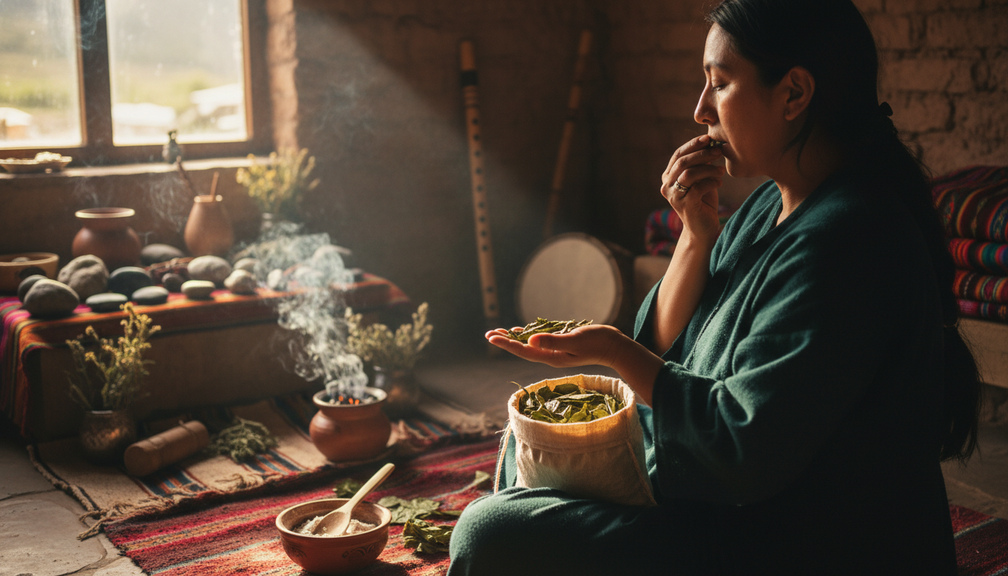
In a recent WHO review, the classification of coca leaf in Schedule I was upheld, sparking discussions about the intersection of sacred traditions and drug policy on a global scale. This decision sheds light on the rich history and cultural significance of coca leaf in indigenous communities, where it has been used for centuries in spiritual rituals and healing practices. While the debate around drug regulation continues, it is essential to recognize the therapeutic potential of sacred plants like coca leaf for promoting holistic well-being and addressing various health concerns. By honoring these sacred traditions, we can tap into ancient wisdom and explore alternative approaches to wellness that prioritize cultural respect and sustainability.
The reaffirmation of coca leaf’s classification in Schedule I underscores the need to bridge the gap between traditional healing practices and modern healthcare systems. Indigenous communities have long relied on coca leaf for its medicinal properties, which have been shown to alleviate pain, boost energy, and support mental clarity. As we navigate complex health challenges in today’s world, it is crucial to integrate diverse perspectives and knowledge systems into our approach to well-being. By embracing the therapeutic potential of sacred plants, we can cultivate a deeper connection to nature and harness the healing power of traditional medicine.
Furthermore, the WHO review highlights the importance of preserving indigenous wisdom and cultural heritage in the face of global drug policies. By recognizing the sacred significance of plants like coca leaf, we can promote cultural diversity and protect traditional knowledge that has been passed down through generations. This decision serves as a reminder of the value of indigenous traditions in promoting resilience, community well-being, and spiritual growth. As we strive to create a more inclusive and sustainable world, it is essential to honor and learn from the wisdom of indigenous cultures.
For readers seeking to incorporate the principles of sacred traditions into their own wellness journey, exploring the potential benefits of sacred plants like coca leaf can offer a unique perspective on holistic health. By engaging with traditional healing practices and embracing the therapeutic properties of sacred plants, individuals can enhance their physical, emotional, and spiritual well-being. Whether through herbal remedies, mindfulness practices, or cultural rituals, incorporating elements of sacred traditions into daily life can foster a sense of connection to nature and promote overall vitality.
Ultimately, the WHO review reaffirming the classification of coca leaf in Schedule I serves as a catalyst for conversations about the intersection of sacred traditions, indigenous knowledge, and global health policies. By acknowledging the healing potential of sacred plants and honoring the wisdom of indigenous cultures, we can cultivate a more inclusive and sustainable approach to well-being. As we navigate the complexities of modern healthcare systems, it is essential to draw inspiration from traditional healing practices that prioritize cultural respect, community wellness, and spiritual growth. Embracing the therapeutic power of sacred plants like coca leaf can offer a pathway to holistic health and a deeper connection to the natural world.



MX58…Short and sweet! Might be a hidden gem. Gonna search and see if anyone has commented on it yet. Could be my next big win! mx58
Ph22login, aye? Quick and east logging on once you are set up. Would tell others about ph22login
Just started using vb777club, seems promising. Exploring the features. vb777club is what I would like to tell others.