In a groundbreaking decision, the World Health Organization (WHO) recently announced its commitment to maintain the coca leaf in Schedule I, highlighting the ongoing struggles faced by sacred plant traditions within the global drug policy landscape. This decision holds profound implications for conscious explorers and healing seekers who value the therapeutic potential of plant medicines and the importance of honoring indigenous wisdom in the journey towards healing and transformation.
The coca leaf has a long history of traditional use in indigenous cultures for its medicinal and spiritual properties. Despite its association with cocaine production, the coca leaf itself has been revered for its ability to provide energy, alleviate altitude sickness, and promote overall well-being. By recognizing the therapeutic value of the coca leaf, the WHO decision signifies a step towards acknowledging the cultural significance and healing potential of sacred plant traditions.
The WHO’s decision sheds light on the complex interplay between global drug policies, indigenous rights, and traditional healing practices. It underscores the need to strike a balance between addressing substance abuse issues and preserving the cultural heritage and holistic healing approaches of indigenous communities. By maintaining the coca leaf in Schedule I, the WHO is sending a message of respect for indigenous knowledge and the importance of incorporating diverse perspectives in shaping health and wellness policies.
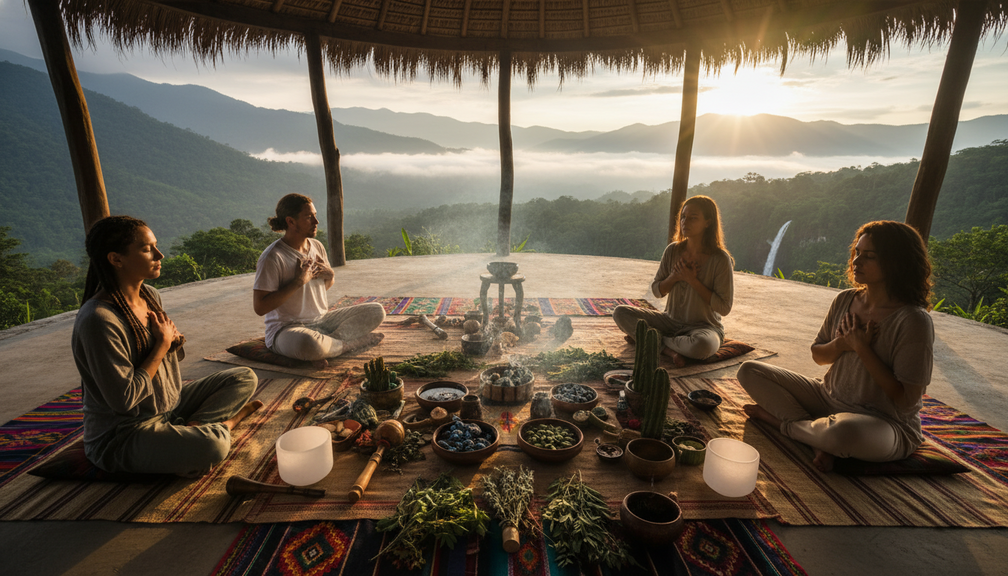
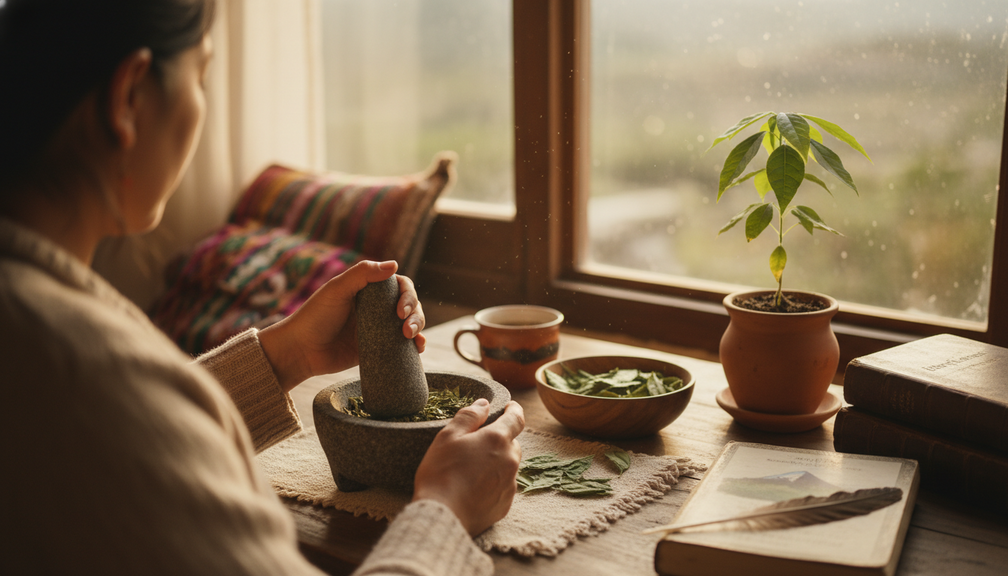
For readers seeking to enhance their well-being through traditional plant medicine practices, the WHO decision serves as a reminder of the value of exploring alternative healing modalities rooted in ancient wisdom. By incorporating the therapeutic benefits of the coca leaf into their wellness routines, individuals can tap into its natural healing properties and support their physical, emotional, and spiritual well-being. Whether consumed in tea form or used in ceremonial rituals, the coca leaf offers a unique opportunity for individuals to connect with the wisdom of nature and experience the transformative power of traditional healing practices.
As global drug challenges continue to evolve, it is essential for individuals to stay informed about the complexities of drug policy and its impact on sacred plant traditions. By advocating for the preservation of indigenous knowledge and supporting initiatives that honor traditional healing practices, readers can contribute to a more inclusive and equitable approach to health and wellness. Embracing the therapeutic potential of plant medicines like the coca leaf can not only enhance personal well-being but also foster a greater sense of connection to the natural world and the wisdom of ancestral traditions.
In a world where mainstream healthcare often overlooks the holistic approaches and cultural nuances of traditional healing practices, the WHO decision on the coca leaf serves as a reminder of the importance of embracing diversity in healthcare and wellness. By valuing the wisdom of indigenous cultures and incorporating plant medicines into their self-care routines, individuals can cultivate a deeper understanding of the interconnectedness of mind, body, and spirit. The journey towards healing and transformation begins with honoring sacred traditions and recognizing the profound impact of ancient wisdom on our well-being.