The recent World Health Organization (WHO) review on the coca leaf has sparked conversations about its classification within the international drug policy. Despite lobbying efforts by countries like Colombia, the WHO Expert Committee on Drug Dependence reaffirmed the coca leaf’s Schedule I status. This decision underscores the complex intersection of scientific, legal, and cultural perspectives surrounding entheogens and plant medicine healing.
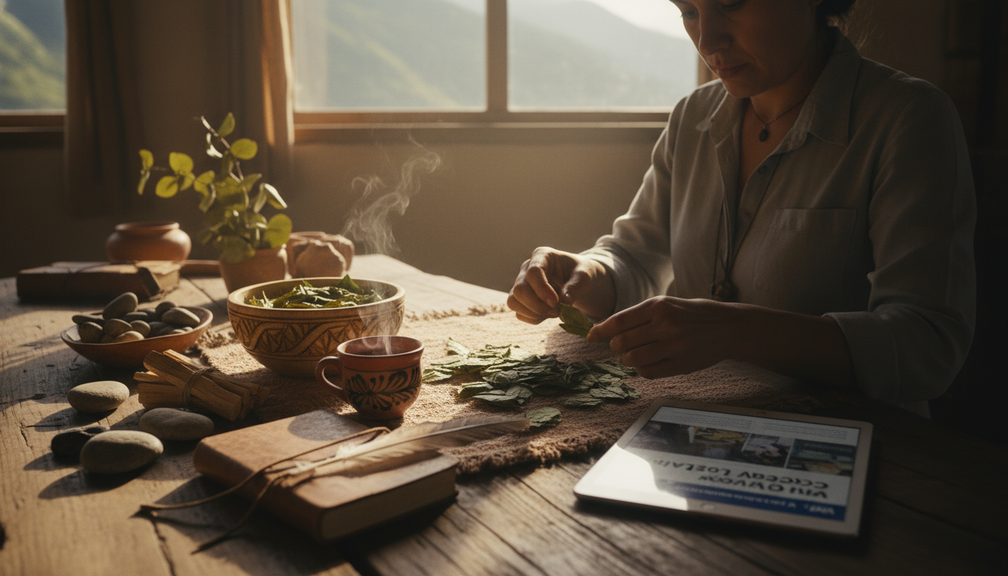
For centuries, indigenous communities in the Andean region have revered the coca leaf for its medicinal and spiritual properties. The plant has been used in traditional ceremonies and rituals to promote physical well-being and mental clarity. While the WHO review maintains strict regulations on coca leaf production, it also highlights the need to respect indigenous knowledge and cultural practices.
From a scientific standpoint, the coca leaf contains alkaloids like cocaine, which have both psychoactive and medicinal effects. While cocaine extraction and processing contribute to the global drug trade, the natural form of the coca leaf offers potential therapeutic benefits. Research suggests that coca leaf consumption may alleviate symptoms of altitude sickness, improve energy levels, and enhance cognitive function. By acknowledging the cultural significance and potential health benefits of the coca leaf, individuals can engage in informed discussions about its role in wellness practices.
In the context of international drug control, the WHO’s decision to uphold the Schedule I classification of the coca leaf reflects ongoing efforts to combat drug trafficking and substance abuse. The global drug trade poses significant challenges to public health and safety, with record-high cocaine production and escalating seizures of amphetamines. By regulating the coca leaf within the international drug control system, authorities aim to mitigate the negative impacts of illicit drug production and distribution.
As readers navigate the complexities of drug policy and plant medicine traditions, it’s essential to approach these topics with an open mind and critical thinking. Understanding the nuances of coca leaf regulation can shed light on broader issues related to drug demand, supply chains, and addiction treatment. By staying informed and engaging in constructive dialogue, individuals can contribute to a more holistic approach to global health and wellness.
Ultimately, the WHO review on the coca leaf serves as a reminder of the interconnectedness between cultural heritage, scientific research, and public policy. While the debate over entheogens and plant medicine continues to evolve, it’s crucial to recognize the value of diverse perspectives in shaping a balanced approach to wellness. By honoring sacred traditions and promoting evidence-based practices, individuals can embark on a journey towards holistic healing and personal growth. Embracing the wisdom of indigenous communities and integrating modern scientific knowledge can pave the way for a more inclusive and sustainable wellness paradigm.



Yo, 639jilicasino, I was pleasantly surprised. Cool graphics, decent payouts. Definitely worth a look. See for yourself: 639jili
For anyone after the Winbuzz apk download, I’d suggest you grab it here winbuzz apk download! No issues at all, and it just works! High five for that!
Just stumbled upon w388bet. me the other day. Quick registration and the site’s mobile-friendly, which is a HUGE plus. Placing bets on the go is now super convenient. Give it a whirl via w388bet. me.