

As pet owners, we strive to provide the best care for our furry companions, ensuring their health and well-being. One common health issue that can affect our beloved dogs is urolithiasis, a condition characterized by the formation of urinary stones in the urinary tract. These stones can lead to discomfort, pain, and potentially serious complications if left untreated. Understanding the causes, symptoms, treatment options, and preventive measures for urolithiasis is crucial for ensuring our dogs’ optimal health and quality of life.
Urolithiasis in dogs can be caused by various factors, including diet, genetics, and underlying health conditions. Breeds such as Dalmatians, Bulldogs, and Miniature Schnauzers are more predisposed to developing urinary stones. Symptoms of urolithiasis may include frequent urination, blood in the urine, straining to urinate, and signs of pain or discomfort. If you notice any of these symptoms in your dog, it’s essential to consult with a veterinarian for proper diagnosis and treatment.
Treatment for urolithiasis in dogs typically involves a combination of dietary management, medication, and in some cases, surgical intervention. Your veterinarian may recommend a special diet to help dissolve the stones or prevent their formation. Herbal remedies and supplements, such as cranberry extract or dandelion root, can also support urinary tract health and reduce the risk of stone formation. It’s important to follow your veterinarian’s recommendations closely and monitor your dog’s condition regularly.
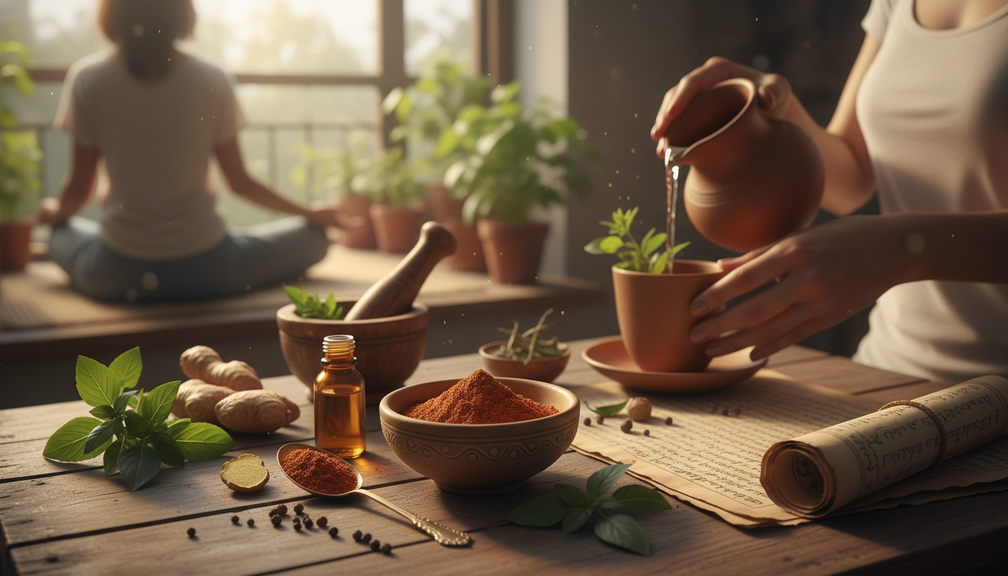
In addition to conventional treatments, exploring traditional healing practices like Ayurveda and herbal medicine can offer complementary support for dogs with urolithiasis. Ayurveda, an ancient Indian healing system, emphasizes a holistic approach to health and wellness, focusing on balancing the body’s energies through diet, lifestyle, and herbal remedies. Incorporating Ayurvedic principles into your dog’s care regimen, under the guidance of a qualified practitioner, can help promote overall well-being and support their urinary health.
Preventing urolithiasis in dogs involves proactive measures such as providing adequate hydration, a balanced diet, regular exercise, and maintaining a healthy weight. Ensuring your dog has access to fresh water at all times and feeding them a high-quality, nutritionally balanced diet can help reduce the risk of urinary stone formation. Regular veterinary check-ups and monitoring your dog’s urinary habits can also help detect any potential issues early on, allowing for prompt intervention and treatment.
By educating ourselves about urolithiasis in dogs and implementing preventive strategies, we can help safeguard our pets’ health and well-being. Being proactive in monitoring our dogs’ urinary health, seeking veterinary advice when needed, and incorporating holistic approaches like Ayurveda and herbal remedies can contribute to their overall wellness. Remember, our furry friends rely on us to provide them with the care and attention they need to live happy, healthy lives.


Downloaded the g555gameapk. Installation was smooth. Got a decent selection of games right on my phone. Perfect for killing time on the commute. Good job, guys! Get your game on with g555gameapk!